

206: Still waters running deep
Louise Brangan & the Magdalene Laundries, Conor Farnan & English teaching, Seamus Heaney & 'Death of a Naturalist', Robert Caro, Claire Stoneman on schooling, Matt Ryan & CanonChat, and more.
The penultimate Fortnightly of this academic year.
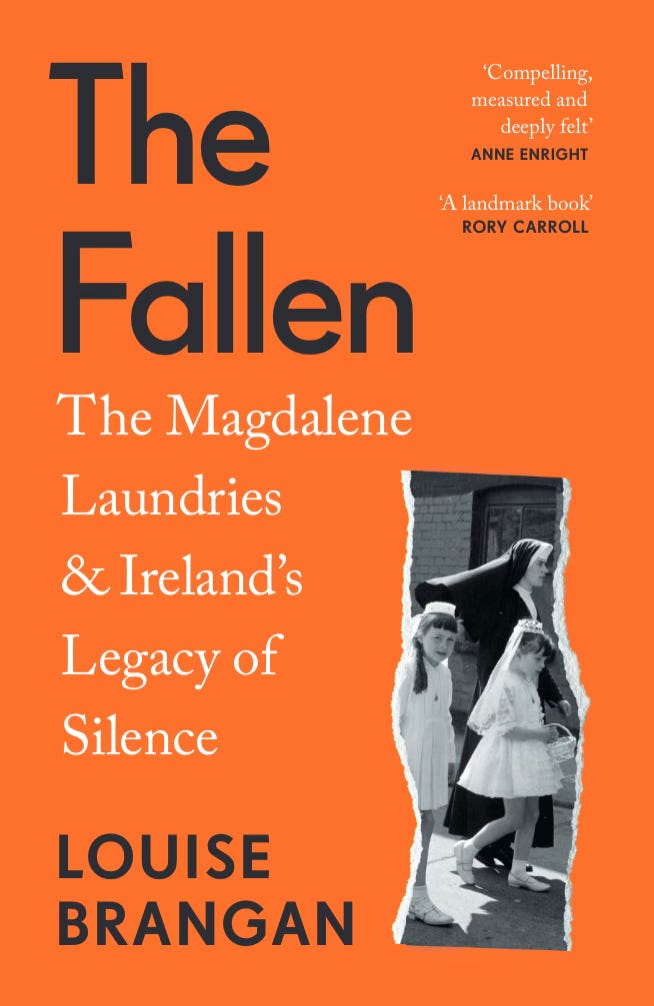
Louise Brangan
is the author of the newly-published book The Fallen: The Magdalene Laundries & Ireland’s Legacy of Shame. It is a hard, and emotional, read, but a necessary one in addressing one of the most distressing facts of twentieth century Ireland. Though Louise Brangan is an academic (in Scotland), her writing is far from drily academic. She tells the stories of individual women who were in one of the ten Laundries in the country, and makes those experiences vivid.
I came to the book partly because of my regular writing about and teaching of Claire Keegan’s novel Small Things Like These (see below for details of a webinar). This book deepens my understanding of that one.
The last Laundry (in Seán McDermott Street) closed thirty years ago, in 1996. Louise Brangan says she often uses that fact in talks and interviews:
It sucks all the oxygen out of the room when you say it, because what else is there to say?
My full comments on the book.
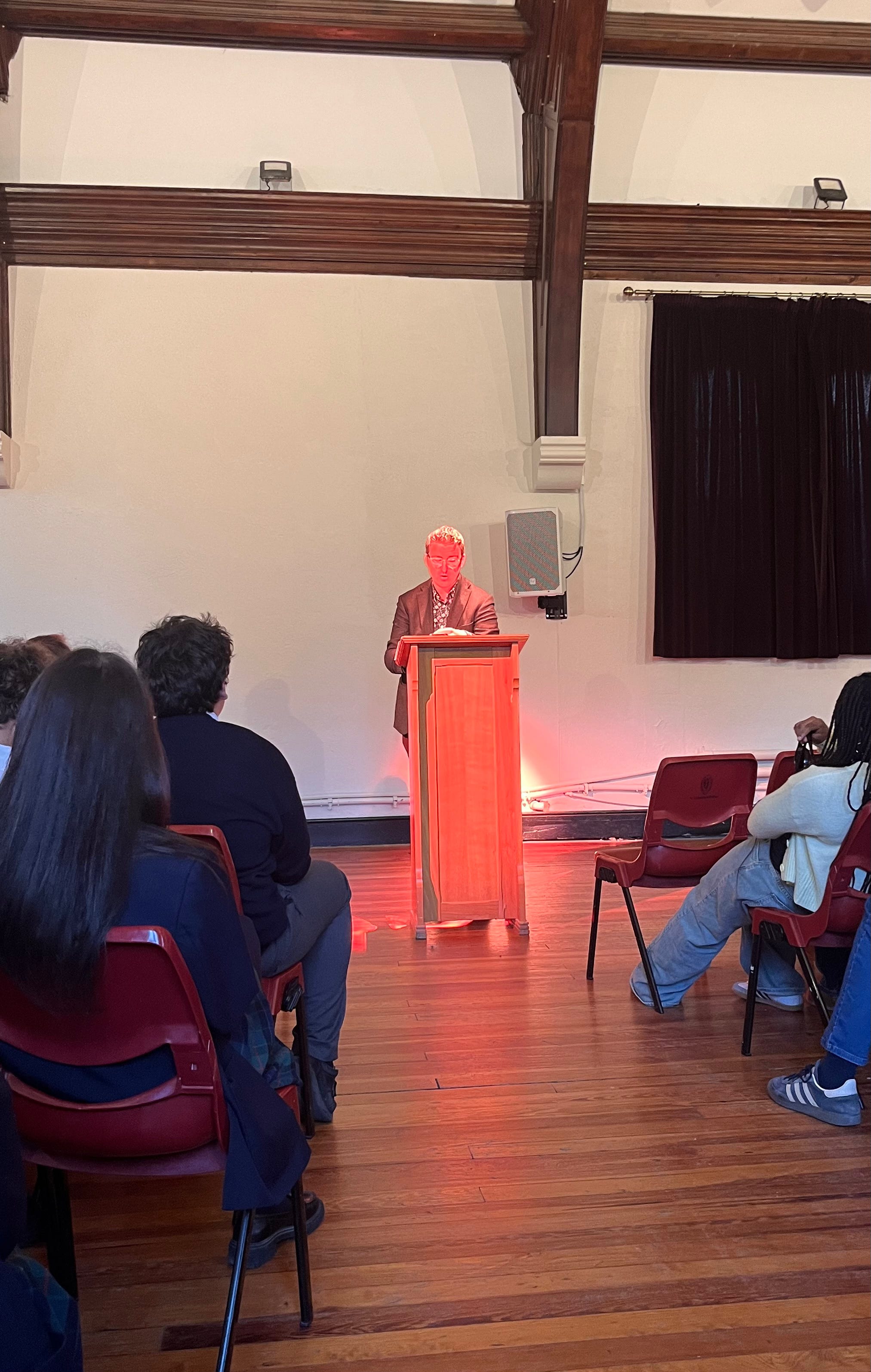
Conor Farnan
was the guest of honour at our school’s Transition Year English Evening this week, the 31st. Conor is himself a teacher, and a writer (he is currently working on Paul Durcan). At this event, pupils read out good pieces of writing, and the guest comments on these and says something to the audience about English, writing and reading.
This year, in his lovely address, which I highly recommend for all English teachers (for a start), Conor spoke about his own encounters with language as a child, a parent and a teacher.
That is the secret about English that the syllabus hides from view. English is not really a subject. It is the practice of paying close attention to how human beings try, and sometimes fail, to reach each other through words. Once you can do these two things — skilfully compose and really listen to a sentence — you can do it for the rest of your life: in any room, in any job, with anyone.
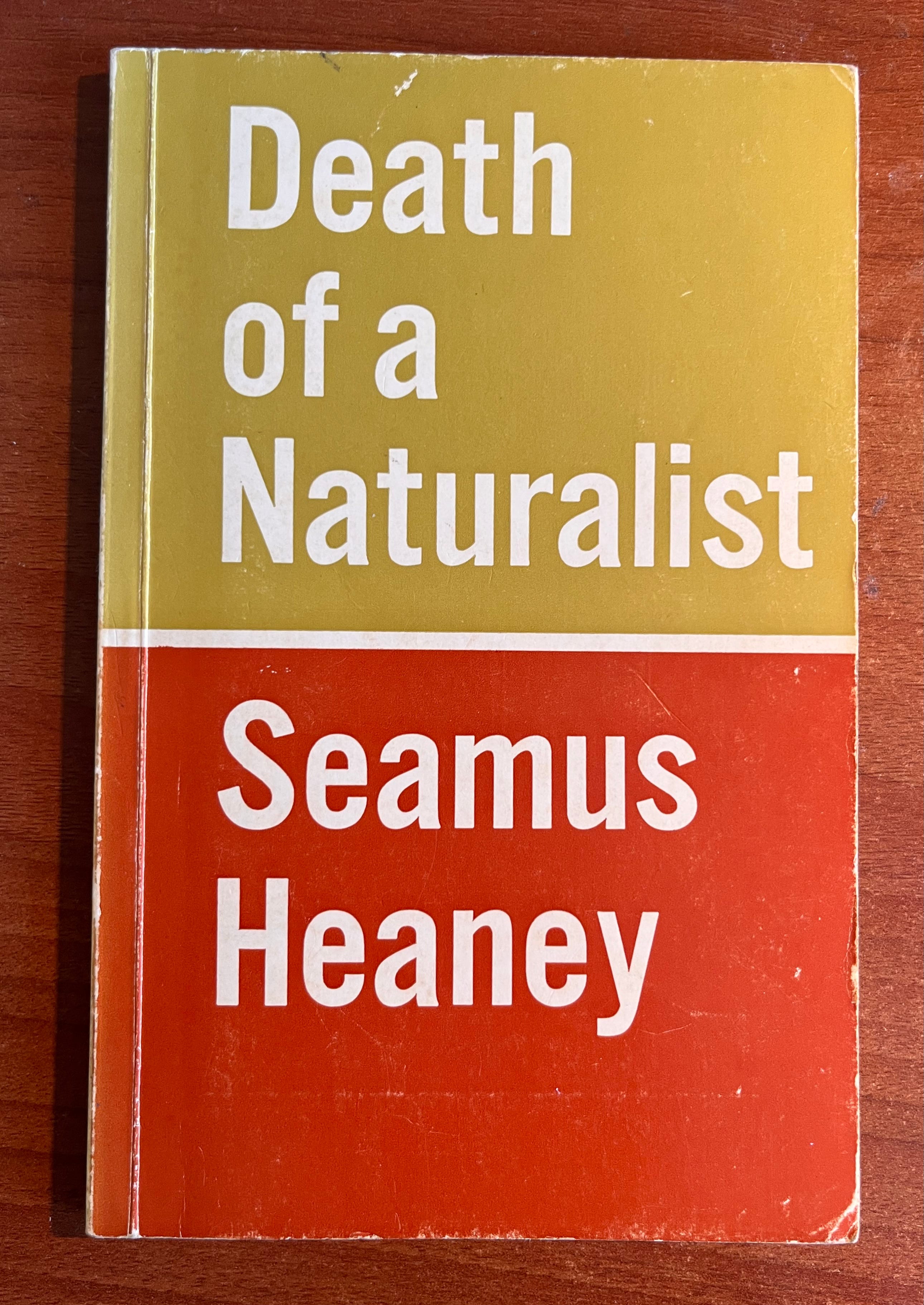
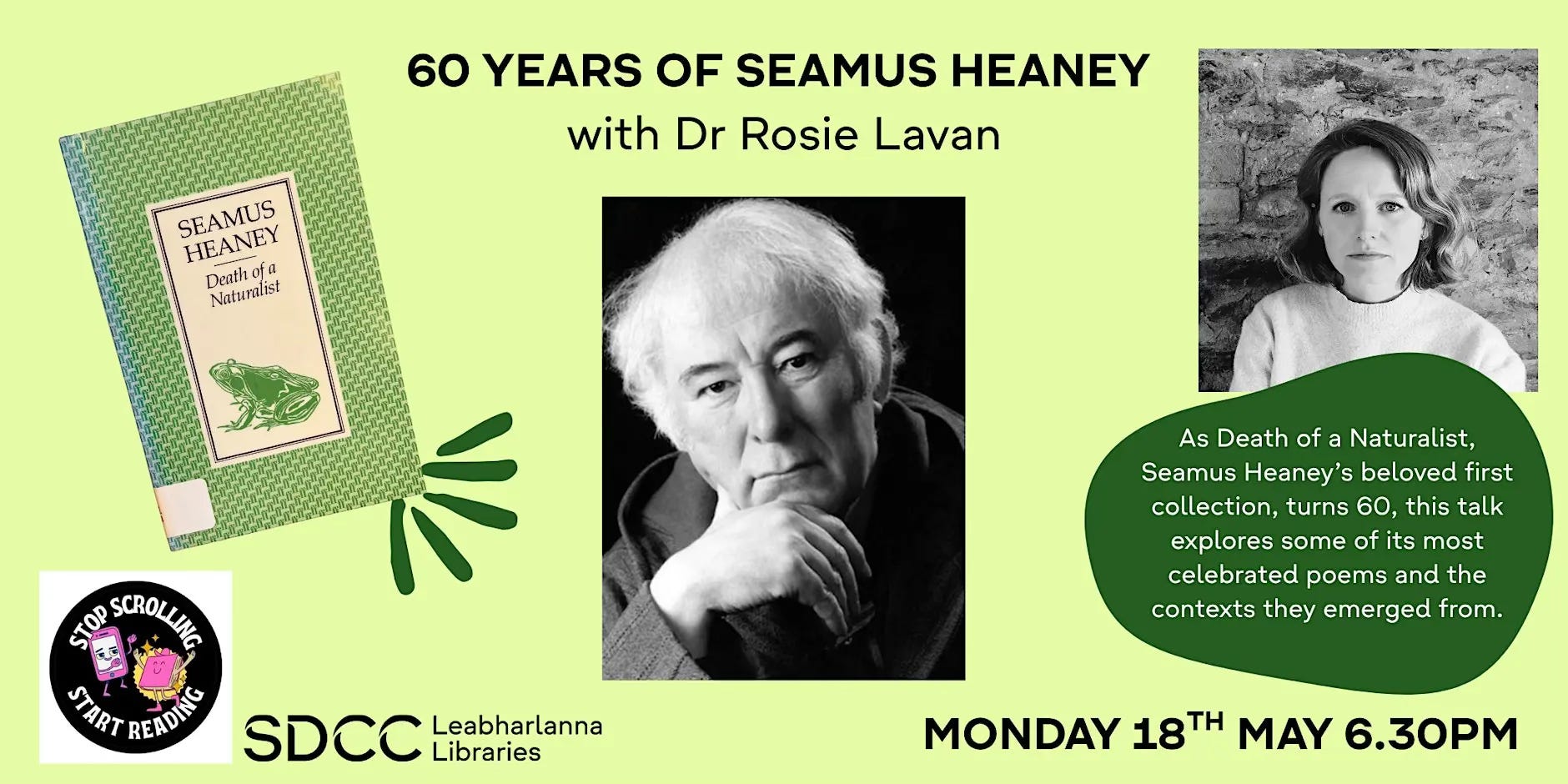
Death of a Naturalist,
Seamus Heaney’s first full collection, was published on May 19th 1966, and therefore recently had its 60th anniversary. Pictured, my copy from 1979.
The evening before, I went to a fine talk by Dr Rosie Lavan of TCD at Ballyroan Library (a great and free thing from that service) on the background to the publication, and its reception.
Interview of the Week
is Matt Ryan , founder of #canonchat, with Joel J Miller in a conversation headed ‘Ground Zero in a Reading Crisis’, the ground in question of course being schools.
A long-time English teacher in Massachusetts, Ryan started this during the pandemic lockdown:
My motivation for starting #CanonChat was twofold: First, it was the height of the COVID epidemic and, looking back, I was likely trying to fill the space of something that had been lost during our lockdown. But the stronger motivating factor was a movement—led by English teachers—to replace classic texts in the classroom with newer works that seemed, almost exclusively, to be YA lit selections.
By now they have discussed over 60 titles, and it’s a fabulous and formidable list.
The digital world doesn’t make sustained reading obsolete; it makes it indispensable. Reading full-length works is the only literacy practice that builds skills students need: stamina, inference, and the ability to follow complex threads of meaning. These aren’t luxuries or skills meant only for English majors.
Lots more on the CanonChat website, including supporting resources.
Robert Caro
is, as long-time readers of The Fortnightly know, an ongoing obsession, and in that I join many thousands of readers around the world.
Author of The Power Broker, and subsequently the first four volumes of his gargantuan biography of LBJ (the best biography I’ve ever read), he is now 90, and completing the fifth and final volume, as we all hold our breath.
‘Slow is good’.
Above, the first few minutes of a recent C-SPAN interview (catnip - seeing inside his work space). Full piece.
Teaching and Learning Things
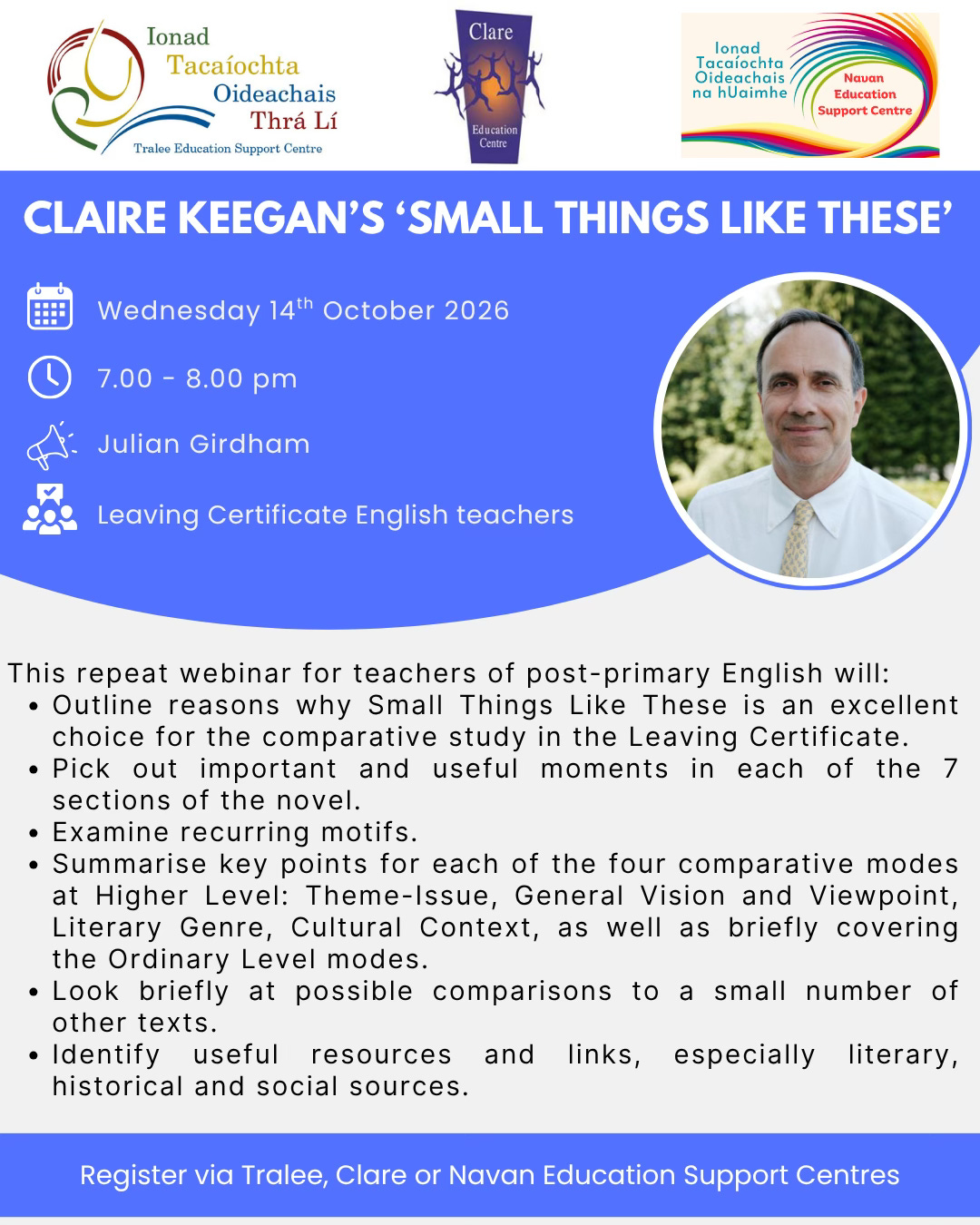
Above, the details for another of my autumn webinars for Tralee Education Support Centre. Click here for free registration. This is a repeat webinar, since STLT is becoming steadily more popular as a study choice, both in Ireland and across the world.
Claire Stoneman as wise as ever in ‘On Schooling, AI and luxury beliefs’:
In our post-Covid, flagged, bannered, foaming at the mouth, furious, fragmented, polarised world, us teachers are the compass points, the markers, the people - not screens - who are there all the time - real, live people! - who care, who take genuine interest; who, through our curricula, teach what’s important and beautiful and life-affirming; we reaffirm connectedness with humanity, not bots and algorithms and AI slop masquerading as art.
Bennie Kara responds to the horrific far-right London march, and its impact in schools:
I know you cannot change everything about society, and I know schools are under immense pressure to be everything to everyone, but this matters because you may have staff and students who feel unsafe every single day in the community they work and learn in. It is a deeply human act to say: “Racists and racism, in any form, are not welcome here, and we will challenge them every single time.” That is wellbeing and that is safeguarding.
Et Cetera
I’ve written before about my relationship with libraries, including my admiration for the Irish public library system, which is thriving even as we hear about deteriorations in other countries. More evidence: a new possibility for Cork City.
From the RTÉ Archives, and for teachers of Patrick Kavanagh. For a 1966 TV documentary, Kavanagh returned to his home place of Inniskeen. He reads an extract from the novel Tarry Flynn and visits the national school he attended at Kednaminsha.
Ian McEwan’s best books from Susie Goldsbrough in The Times. I feel his career trajectory has been dipping for a while now, but his earlier writing can be very gripping.
I found rereading Atonement an almost unbearably tense experience, as the story marches you mercilessly on towards disaster (don’t do it, Briony!). The French wartime section too, when Robbie retreats down dusty French roads towards Dunkirk, at the mercy of Nazi bombers, is fantastically gripping – McEwan has the rare gift in a literary fiction writer for action sequences.
Thanks for the mention, Julian! These days it often feels like I’m shouting into the void