

The Occasional 14
Patrick Radden Keefe, Alfred Hayes, Wendy Erskine in Dalkey, Claire Keegan & summer books, Tessa Hadley, Mandy Brown on reading & attention, Gloria Mark on attention, Marc Watkins on analog teaching.
For paid subscribers, another Occasional, with my gratitude. It’s a similar mixture to The Fortnightly.
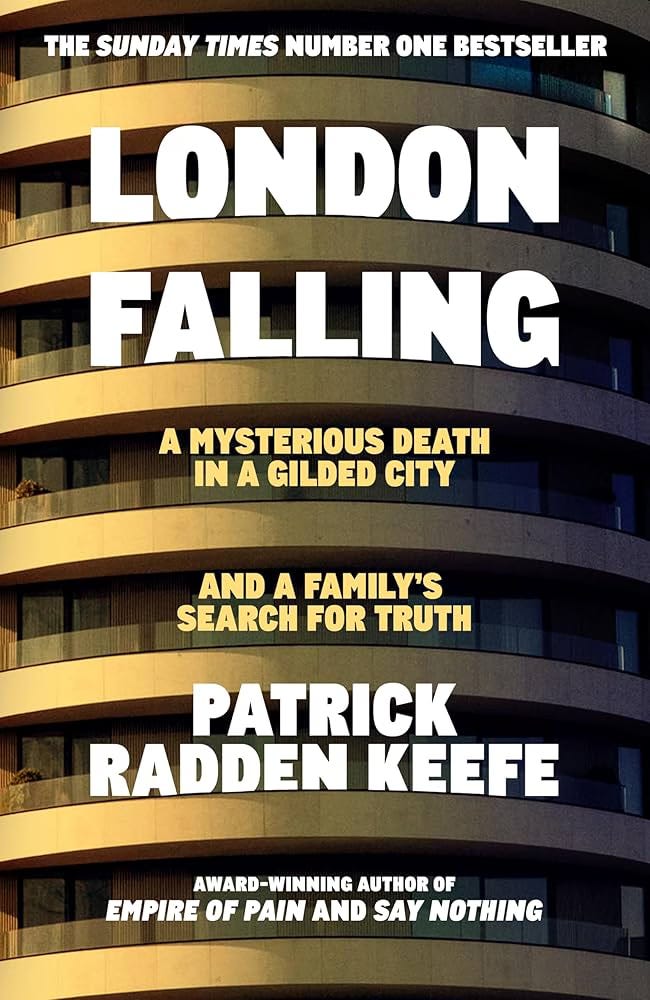
Patrick Radden Keefe
knows how to tell a story. His account of the oxycontin scandal in the US, Empire of Pain, was fascinating and brutal, and his account of the Northern Ireland Troubles, Say Nothing, was skilfully built around the story of the murder of Jean McConville.
I’ve just finished his latest, London Calling, his piecing together of the background to the death of a 19 year-old, Zac Brettler, who was caught by CCTV on the MI6 headquarters plunging to his death from an apartment building on the other side of the Thames in 2019.
This terrible, and haunting, moment is the starting point of the book, which then heads into murky waters involving Russian oligarchs and savage criminality - an extremely depressing milieu for a callow young man to become involved in. It is not a pretty picture of a layer of London unseen by tourists. London itself is a central character, but above all this is a poignant story of parenthood, as Zac’s grief-stricken parents Rachelle and Matthew struggle to get their son’s case treated seriously.
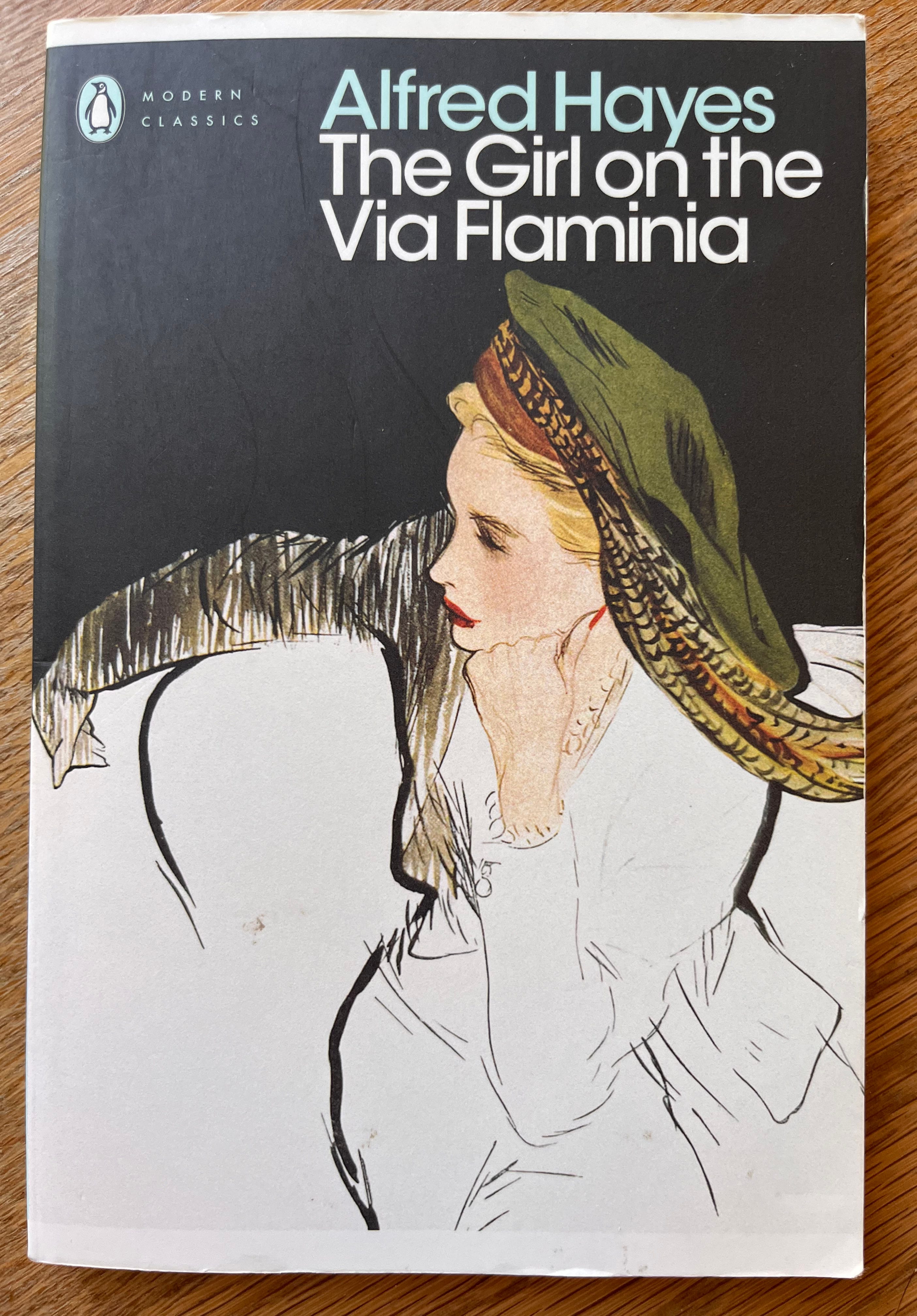
Alfred Hayes
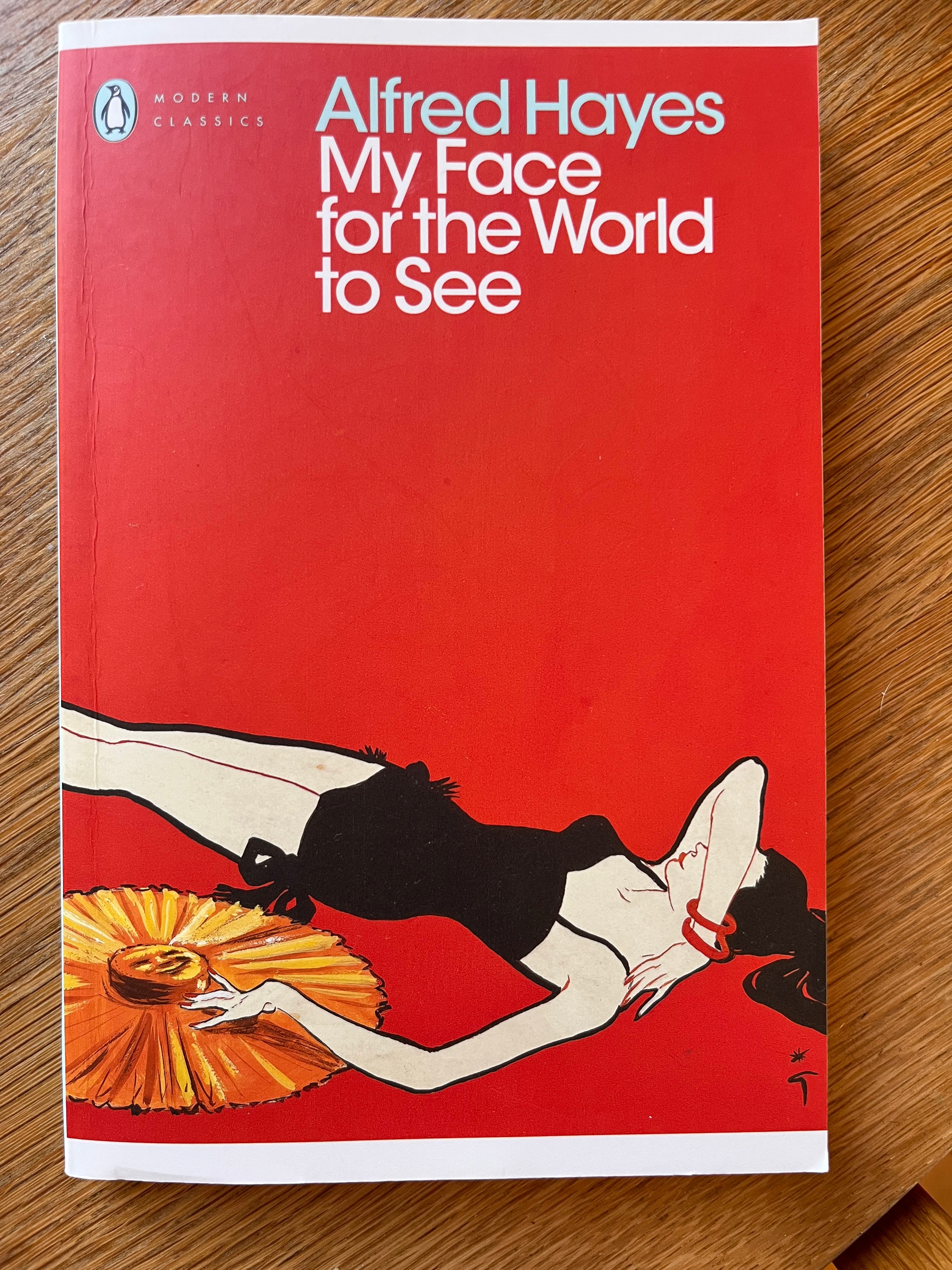
is an interesting author I’m only just discovering. Two recent short reads were The Girl on the Via Flaminia (1949) and My Face for the World to See (1958). Hayes was born in London but grew up in New York. He was in the US Army in World War 2, staying on in a shattered Rome afterwards, which is the setting for the first of these books, in which a soldier called Robert becomes involved with Lisa in what is initially supposed to be a transaction. In Rome, Hayes became involved in the Neo-realist film movement, including uncredited screen writing on Vittorio De Sica’s famous Bicycle Thieves.
On his return to the US, he worked in Hollywood, and gained two nominations for Academy Awards. The second book is set in that milieu, aptly described by Michael Hofmann as being ‘like a delayed Fitzgerald’.
What both books share is a spiky sharpness, a way of looking at the world which is often surprising, and always bracing.
And below for paid subscribers: Wendy Erskine at the Dalkey Book Festival | thinking about attention via Wendy Brown and Gloria Mark in advance of researchED Cork | a gathering of short reviews | summer reading from the Irish Times Women’s Podcast, with Claire Keegan’s recommendations | Marc Watkins on analog spaces in the AI learning environment | Marcus Luther with popular classroom resources | Carol Atherton’s new book on adoption | paperback vending machines.
Keep reading with a 7-day free trial
Subscribe to The Fortnightly from Julian Girdham to keep reading this post and get 7 days of free access to the full post archives.